



CAS: 9000-11-7
Other name: Carmellose
EINECS: 618-326-2
Description:
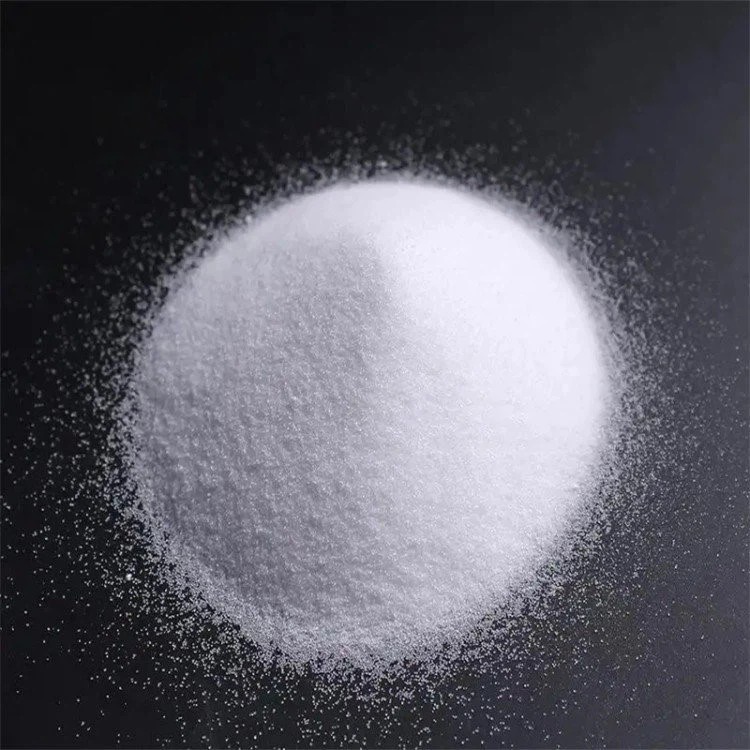
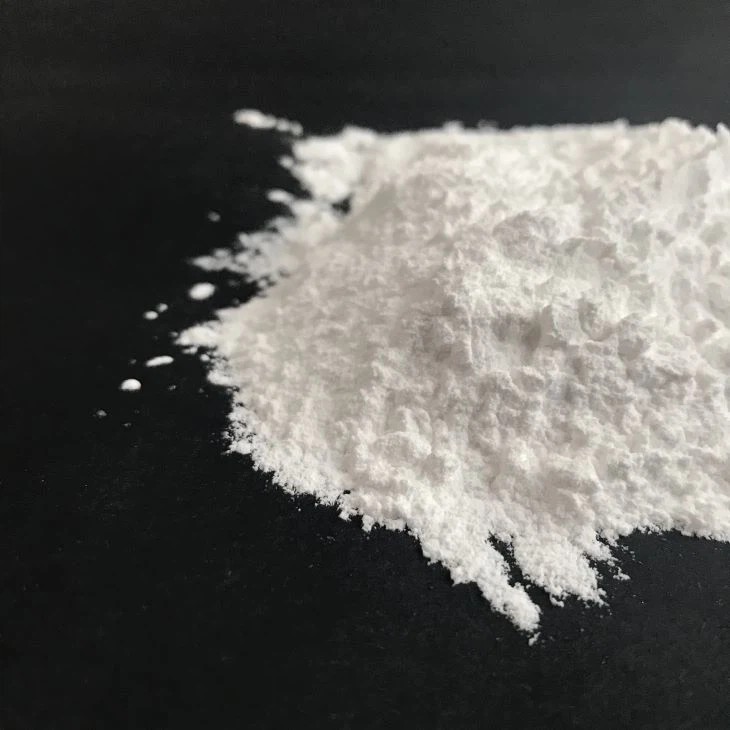
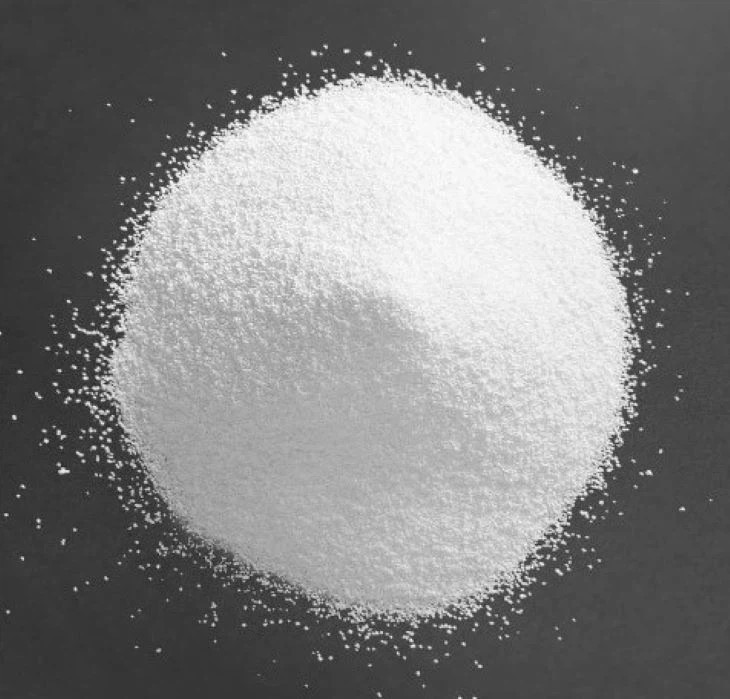
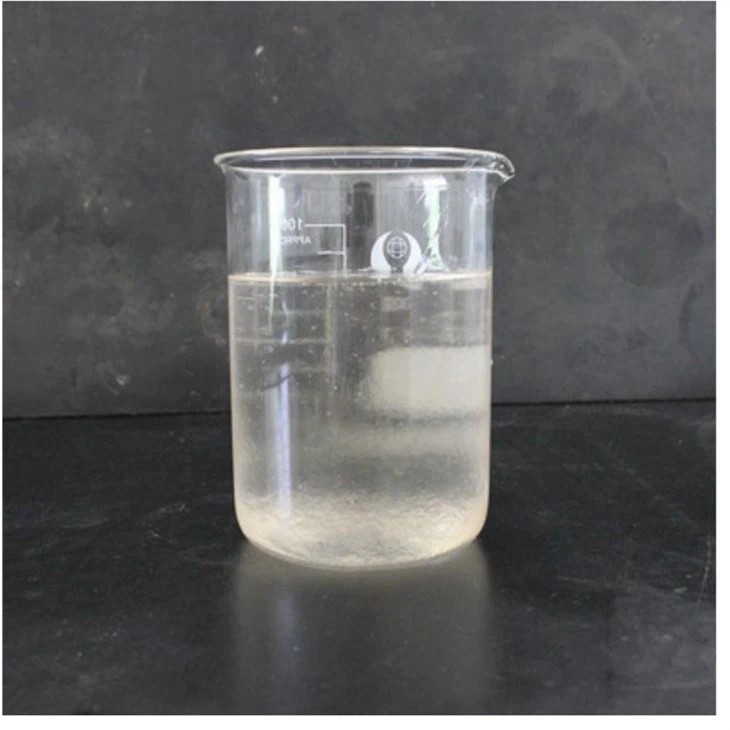
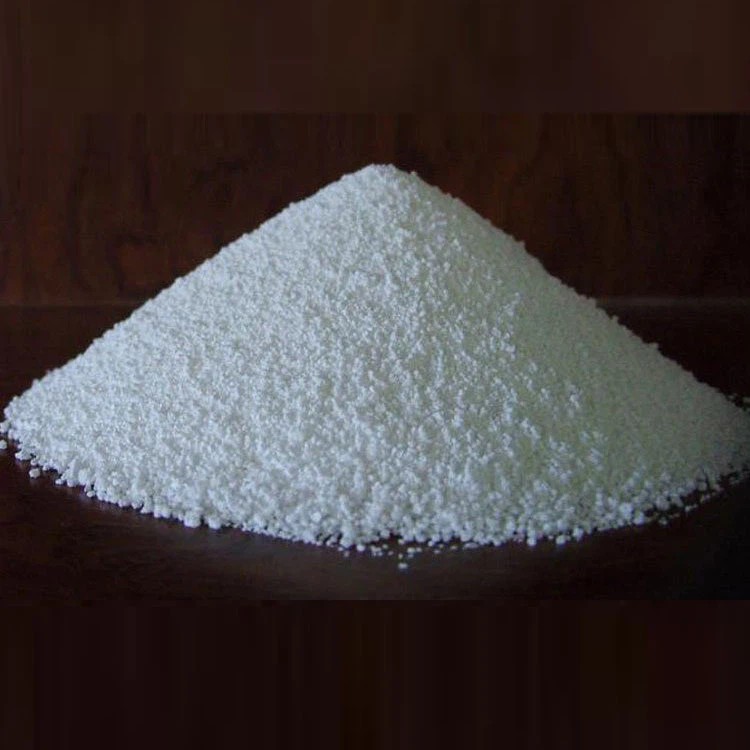
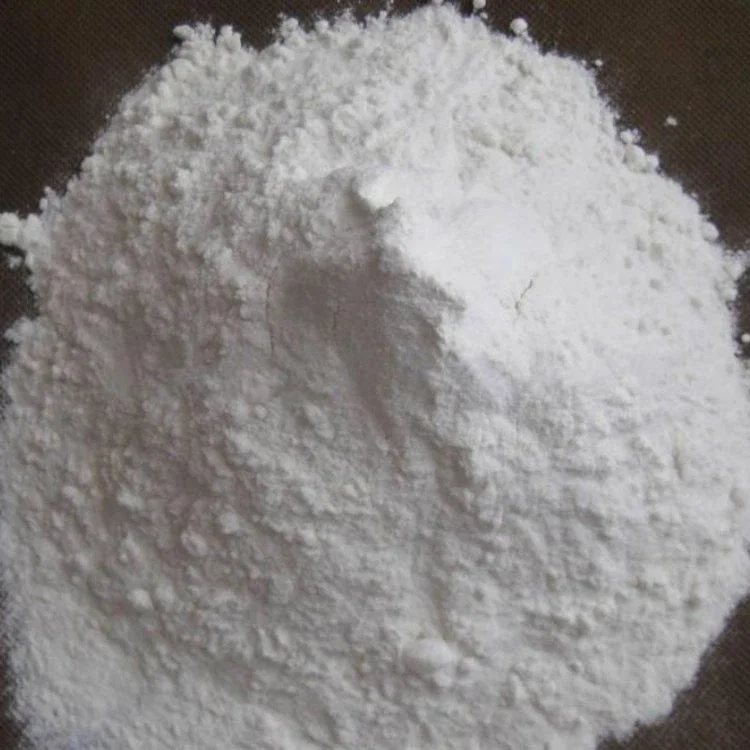
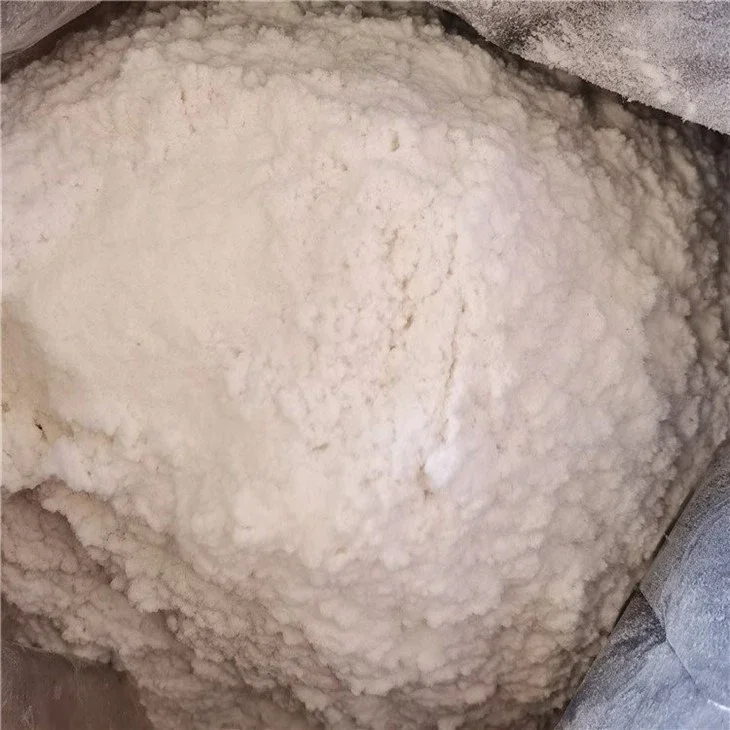
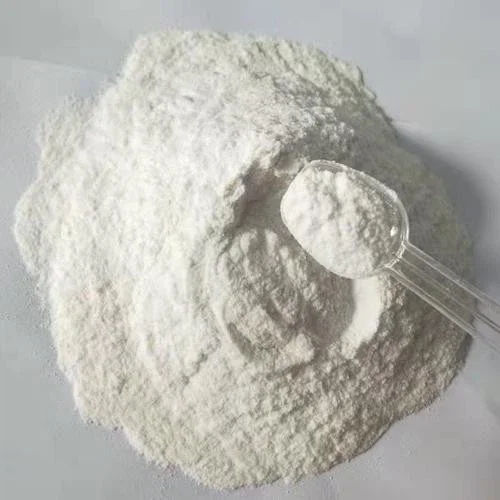
Carboxymethyl cellulose is white or yellowish flocculent fiber powder or white powder. It is odorless, odorless and non-toxic. Soluble in cold or hot water, forming a transparent solution with a certain viscosity. It is insoluble in organic solvents such as ethanol, ether, isopropanol and acetone. It is hygroscopic, stable to light and heat, and the viscosity decreases with the increase of temperature.
Carboxymethyl cellulose is a cellulose derivative of carboxymethyl substituent. Cellulose was treated with sodium hydroxide to form alkali cellulose. It then reacts with monochloroacetic acid.
Specifications:
Application:
1. In the construction industry, it is used to improve water retention and strength.
2. In the textile, printing and dyeing industry, sizing agent for cotton, silk wool, chemical fiber.
3. For oil and gas drilling, well drilling and other projects.
4. In the ceramic industry, used as a hair embryo adhesive, plasticizer, glaze suspension agent, fixing agent.
5. For use in the food industry as a thickener, stabilizer and binder.
Note
During storage, pay attention to moisture resistance, fire prevention, high temperature resistance, and require storage at ventilated and dry places.
During transportation, rainproof, loading and unloading are strictly prohibited from using iron hooks. Long-term storage and stacking of this product may cause agglomeration during unpacking, which will cause inconvenience in use but will not affect the quality.
Contact with water is strictly prohibited, otherwise it will occur gelling or partial dissolution caused can not be used.