



CAS: 9004-62-0
Other name: Hydroxyethyl ether cellulose
Molecular formula: (C2H6O2)n
Description:
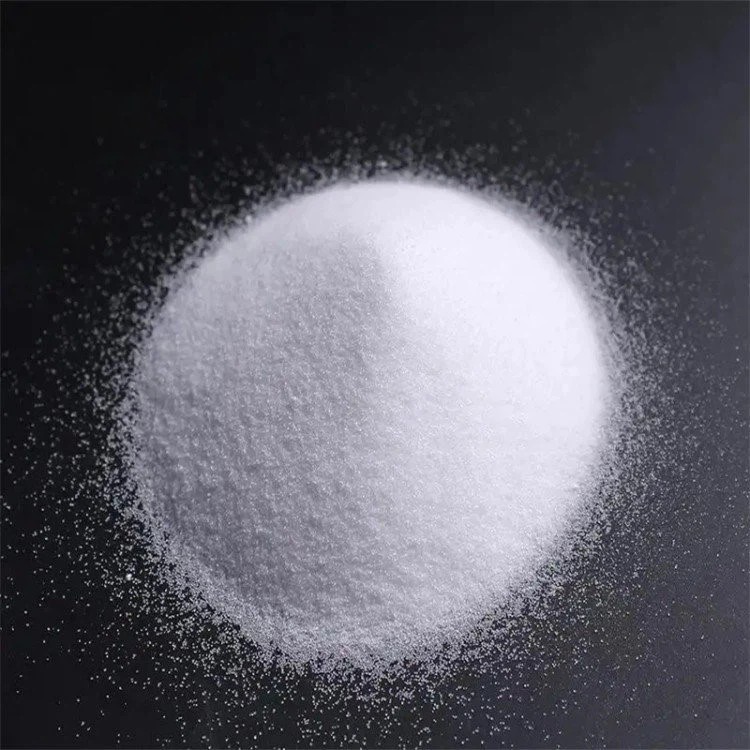
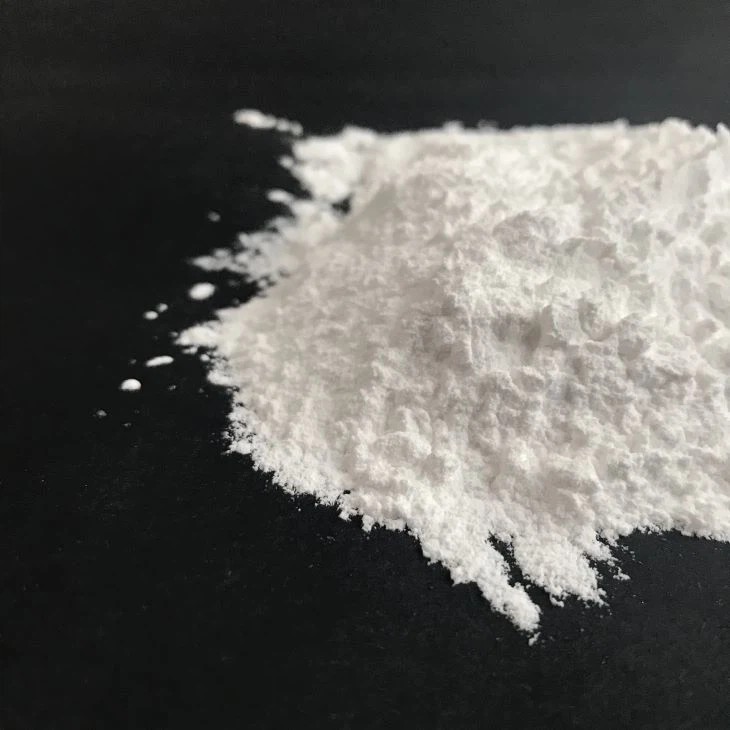
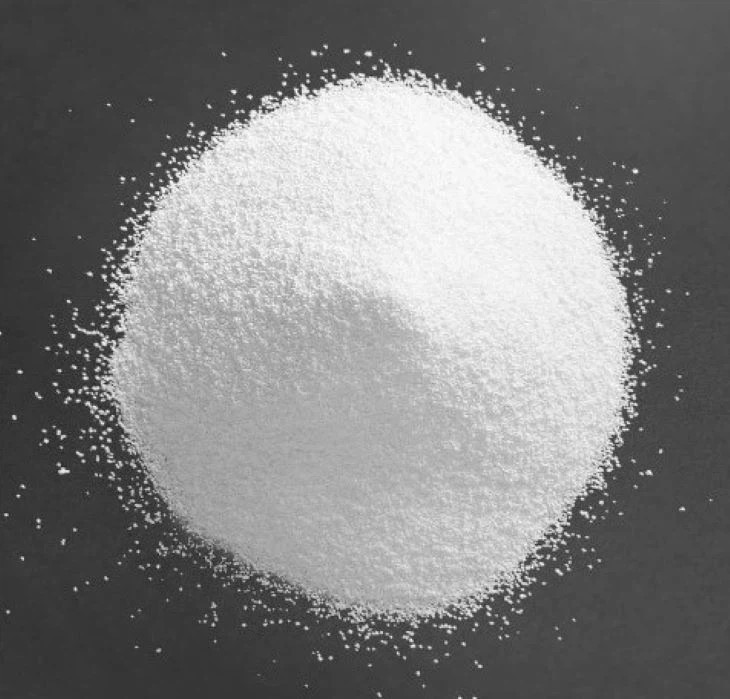
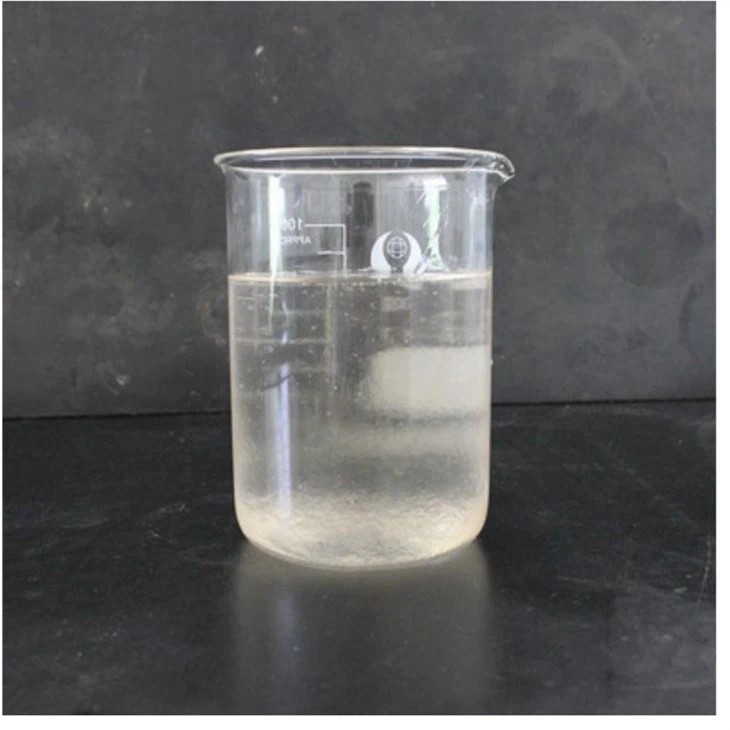
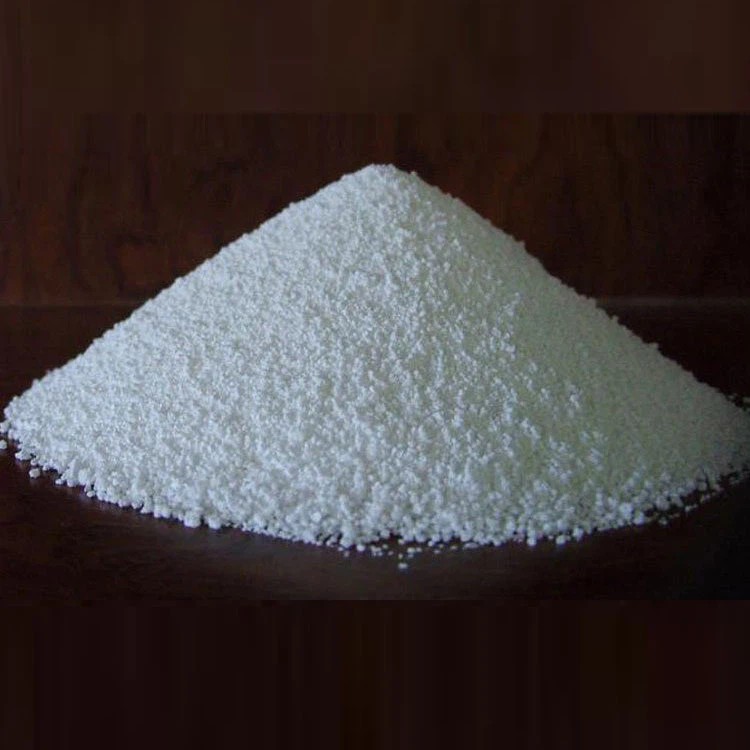
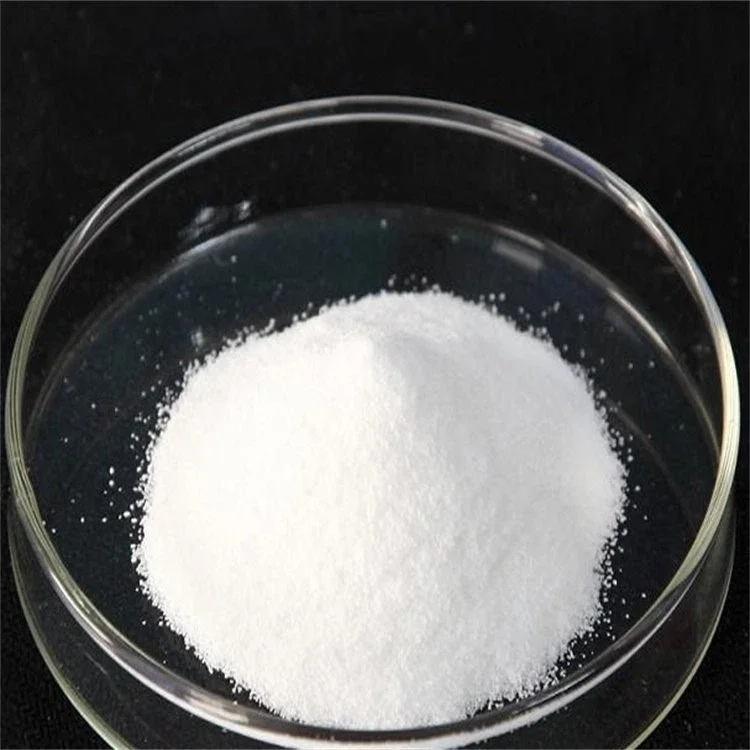
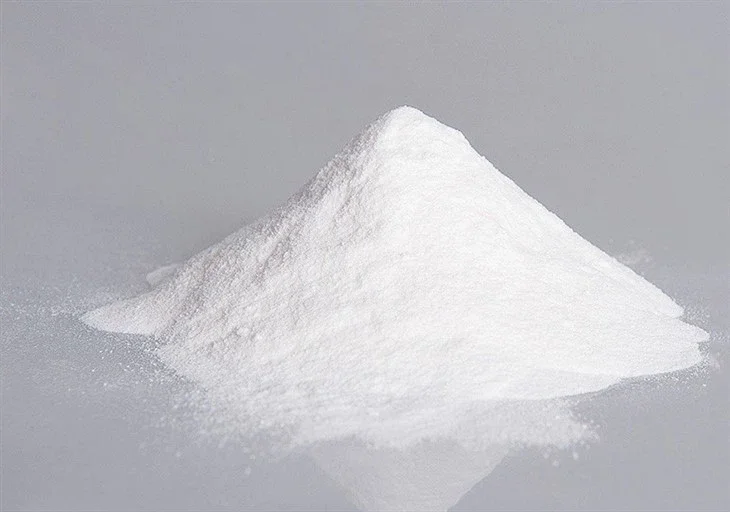
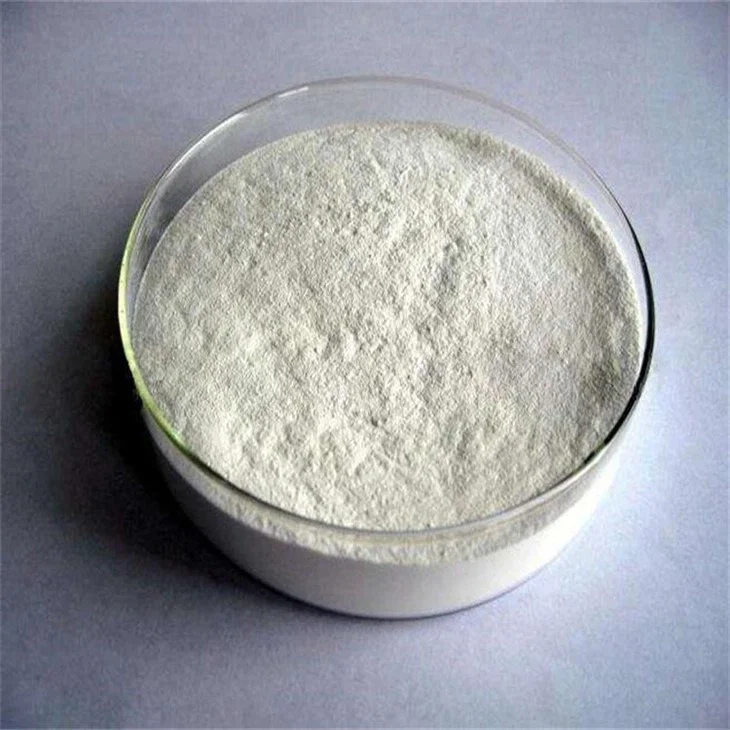
Hydroxyethyl cellulose (HEC) is a white or yellowish fibrous or powdery solid. Tasteless and non-toxic. It is prepared by etherification of alkaline cellulose and ethylene oxide (or ethylene chlorohydrin). It belongs to non-ionic soluble cellulose ethers. 40 mesh screening rate ≥ 99 %.
The advantage of hydroxyethyl cellulose is good thickening effect. And it is stable in high salt and high alkali environment. The greater the viscosity of hydroxyethyl cellulose, the stronger the water retention, but the solubility will decrease. Transparent colloid after stirring
Specifications:
Application:
1. Used as sizing agent in the textile industry.
2. In drilling, it is used as thickening agent and fluid loss reducer of water-based drilling fluid and completion fluid. It can also be used as a fluid loss reducer for oil well cement. It can be crosslinked with multivalent metal ions to form a gel.
3. used as a thickener in the paint industry
4. Used as cement retarder and water retention agent in the construction industry.
5. Also be used as a surface activator.
Package & Storage:
Paper bag packaging, lined with polyethylene film, net weight 25 (±0.25) Kg. The product should be kept in a dry and clean environment with the original packaging intact, and away from high temperature. HEC is a kind of non-deteriorating powder. If stored in a sealed bag, it can be stored for a long time under dry conditions.
Note
1. Before and after the addition of hydroxyethyl cellulose, it must be continuously stirred until the solution is completely transparent and clarified.
2. must be slowly sieved into the mixing barrel, do not mass or has been formed into massive and spherical hydroxyethyl cellulose directly added to the mixing barrel.
3. The water temperature and the PH value of the water have a significant relationship with the dissolution of hydroxyethyl cellulose, which should be paid special attention to.
4. Never add some alkaline substances into the mixture before the hydroxyethyl cellulose powder is soaked in water. The increase of PH value after warm permeability is helpful to dissolution.